






Digital learning has changed how elementary students discover information. Young readers need reliable resources that make learning simple, interesting, and enjoyable. That’s where PebbleGo enters the picture. Developed by Capstone, this educational platform helps children explore nonfiction topics through articles, audio, visuals, and interactive resources.
However, its value extends beyond ordinary online reading. Teachers can use it to introduce classroom subjects, strengthen literacy, and encourage independent research. Parents can also understand how children use its resources beyond school hours. This guide explores ten important aspects of the platform, including its educational purpose, classroom applications, subscription options, and future possibilities.
Table of Contents
Who Owns PebbleGo and How Was the Platform Developed?
Behind every useful educational resource stands a publisher with a clear learning purpose. Capstone develops and publishes PebbleGo as part of its wider collection of educational products. The company focuses on children’s reading, nonfiction books, digital resources, and classroom learning materials. Its experience in educational publishing influences the platform’s accessible language and carefully organized information. Rather than presenting children with an overwhelming collection of web pages, it offers structured content designed around elementary learning needs.
The platform addresses a familiar classroom challenge: young students often struggle to find trustworthy information independently. General search engines can expose children to complicated language, unrelated websites, and unsuitable material. PebbleGo provides a more controlled environment for discovering educational topics. Its development reflects the importance of age-appropriate content, digital literacy, and guided exploration. Schools can use it to introduce research habits without expecting beginners to navigate the entire internet alone.
How PebbleGo Supports Early Literacy and Reading Comprehension
Reading becomes easier when children understand what they encounter. Early learners need more than sentences printed on a screen. They benefit from clear explanations, familiar vocabulary, illustrations, and opportunities to hear unfamiliar words. PebbleGo combines these elements through its nonfiction articles and built-in reading supports. Students can listen to content while following highlighted text. This approach connects spoken language with written words and helps developing readers recognize sentence patterns.
Furthermore, repeated exposure to informational texts strengthens comprehension. A student researching butterflies might encounter words about habitats, migration, and life cycles. Visual examples help explain these concepts while audio supports pronunciation. Teachers can ask students to explain an article in their own words afterward. Such activities build reading fluency, vocabulary development, and background knowledge. The platform doesn’t replace direct reading instruction. Instead, it provides another practical environment where children can practise important literacy skills.
Is PebbleGo Aligned With American School Curriculum Standards?
American schools follow different state standards and instructional frameworks. Therefore, teachers need resources that connect with established classroom objectives. Capstone describes PebbleGo as supporting national and state learning standards, including the Next Generation Science Standards (NGSS) and the C3 Framework for Social Studies. These connections can help educators find relevant materials when planning lessons. However, teachers should always examine individual articles before using them for specific curriculum requirements.
For example, a science teacher introducing ecosystems could select articles about animals, habitats, and environmental relationships. Students might then compare how different creatures survive in their surroundings. Similarly, social studies teachers can introduce geography, communities, and historical subjects through related reading. These activities encourage curriculum integration and inquiry-based learning. Nevertheless, a platform’s general standards alignment doesn’t guarantee that every article matches every state’s requirements. Educators should compare its content with their district’s learning objectives.
PebbleGo for School Libraries: A Practical Resource for Young Researchers
School libraries have gradually expanded beyond printed books and traditional reference collections. Digital databases now help children explore information through different formats. PebbleGo gives elementary librarians a structured resource for introducing nonfiction research. Students can browse familiar subjects, open related articles, and discover information without facing complicated academic databases. This makes it useful during guided library sessions and independent exploration periods.
Consider a librarian organizing an animal research activity. Students could select different creatures and investigate their habitats, diets, and physical characteristics. Afterwards, each child could share three interesting facts with classmates. This simple exercise connects digital reading with speaking and information gathering. Librarians can also combine online articles with printed reference books. Such combinations encourage library research skills and information literacy. The goal isn’t to replace traditional collections but to help children use multiple reliable learning resources.
How PebbleGo Helps Students Develop Digital Research Skills
Finding information online requires more than entering words into a search box. Students must learn how to choose topics, recognize useful details, and organize what they discover. PebbleGo introduces these habits through a simpler research environment. Its subject categories and search tools help children locate relevant material. Instead of navigating countless unrelated websites, beginners can concentrate on selected educational content.
Teachers can turn this experience into a practical research lesson. For instance, students investigating ocean animals might search for sharks, dolphins, or sea turtles. They can identify important facts and explain how each animal survives. Teachers can then introduce simple note-taking and source attribution. These activities develop research literacy, critical thinking, and responsible internet habits. However, students should understand that one article rarely answers every research question. Comparing information across books and approved resources creates a fuller understanding.
PebbleGo Classroom Activities: Practical Ideas for Teachers
A digital resource becomes more valuable when students actively use its information. Teachers can turn PebbleGo articles into short classroom projects that connect reading with discussion and creativity. An animal research activity, for example, could ask children to investigate one species. They might record its habitat, food, appearance, and survival methods. Afterwards, students could create a short presentation using their collected facts.
Another useful approach involves biographies and historical figures. Students can explore an individual’s achievements before writing a short classroom introduction. Science teachers can also connect articles with experiments, observation journals, and group discussions. Playground topics offer additional opportunities for interest-based exploration. These exercises encourage collaborative learning and active participation. They also give children different ways to demonstrate understanding. Teachers should choose activities that match students’ reading abilities and available classroom time.
PebbleGo Login Problems and Common Access Issues
Access problems can interrupt an otherwise productive learning session. Students sometimes enter incorrect credentials or struggle to locate their school’s subscription login. In other cases, a school changes its authentication arrangements or updates its technology systems. The first step is checking whether the institution currently provides access. Students should then follow their librarian’s or teacher’s login instructions.
Schools may support single sign-on through services such as Clever, ClassLink, or Google. These integrations can reduce password difficulties and simplify classroom access. If problems continue, the school administrator should check account settings and subscription permissions. Capstone also provides a dedicated help center with setup instructions and troubleshooting guidance. Remember that institutional access determines which resources students can open. A personal internet connection alone doesn’t automatically provide a subscription.
PebbleGo Subscription Plans and What Schools Should Evaluate
Educational technology purchases require careful planning. Schools should examine their students’ ages, curriculum needs, library resources, and available budgets before choosing a subscription. Capstone currently presents PebbleGo Classic and PebbleGo Premier as different purchasing options. Classic focuses on the core content library and essential learning extensions. Premier adds broader resources, including additional modules, classroom tools, digital project features, and administrative capabilities.
| Subscription consideration | What schools should examine |
|---|---|
| Content modules | Available subjects and grade levels |
| Reading resources | Articles, audio, and eBooks |
| Teaching materials | Activities and lesson plans |
| Administration | Usage reports and content controls |
| Integration | Clever, ClassLink, and Google support |
| Budget | Current institutional quotation |
Schools should request current pricing directly from Capstone because package costs can vary. They should also compare included modules instead of assuming every subscription offers identical content. A smaller school may need basic reading resources, while a larger district might value reporting and additional teaching tools. Understanding these differences makes subscription planning and educational budgeting more practical.
PebbleGo vs. Other Educational Research Platforms
Choosing an educational database depends on students’ ages and learning goals. PebbleGo focuses on elementary readers who need accessible nonfiction information. General search engines serve a much wider audience and present information from countless websites. Meanwhile, advanced research databases often contain longer articles and more demanding vocabulary. These platforms serve different purposes rather than offering identical experiences.
For younger students, simplified navigation and read-aloud support can make a meaningful difference. Older learners may eventually need broader sources, deeper explanations, and more advanced research tools. Teachers should compare content quality, reading levels, accessibility, language options, and available classroom resources. They should also consider whether students can use the platform independently. A useful educational database supports the learning task without creating unnecessary obstacles. PebbleGo can complement printed books and other digital research tools instead of replacing them.
What Is the Future of PebbleGo in Elementary Education?
Elementary education continues to embrace digital resources that support different learning needs. Platforms increasingly combine reading, multimedia, classroom activities, and opportunities for independent discovery. Capstone’s recent developments show continued investment in the PebbleGo experience. Its 2026 updates included additional PebbleGo Next articles and the introduction of PebbleGo Playground. These developments reflect growing interest in interactive content and student choice.
Future improvements may bring further classroom integrations, expanded educational materials, and more flexible learning experiences. However, technology should always serve a clear teaching purpose. Children still need conversations, physical books, practical activities, and guidance from educators. Digital platforms work best when they complement these experiences. The continued development of educational technology and personalized learning could create more opportunities for young researchers. Schools should evaluate new features carefully and prioritize learning outcomes over novelty.
Frequently Asked Questions
1. What is PebbleGo used for?
PebbleGo is an educational platform designed to help elementary students explore nonfiction topics. It provides articles, images, audio, and interactive resources that support reading comprehension, research, and classroom learning.
2. What age group is PebbleGo designed for?
PebbleGo primarily serves students in kindergarten through second grade and beyond. PebbleGo Next extends learning for students in grades three through five and older elementary learners.
3. What subjects are available on PebbleGo?
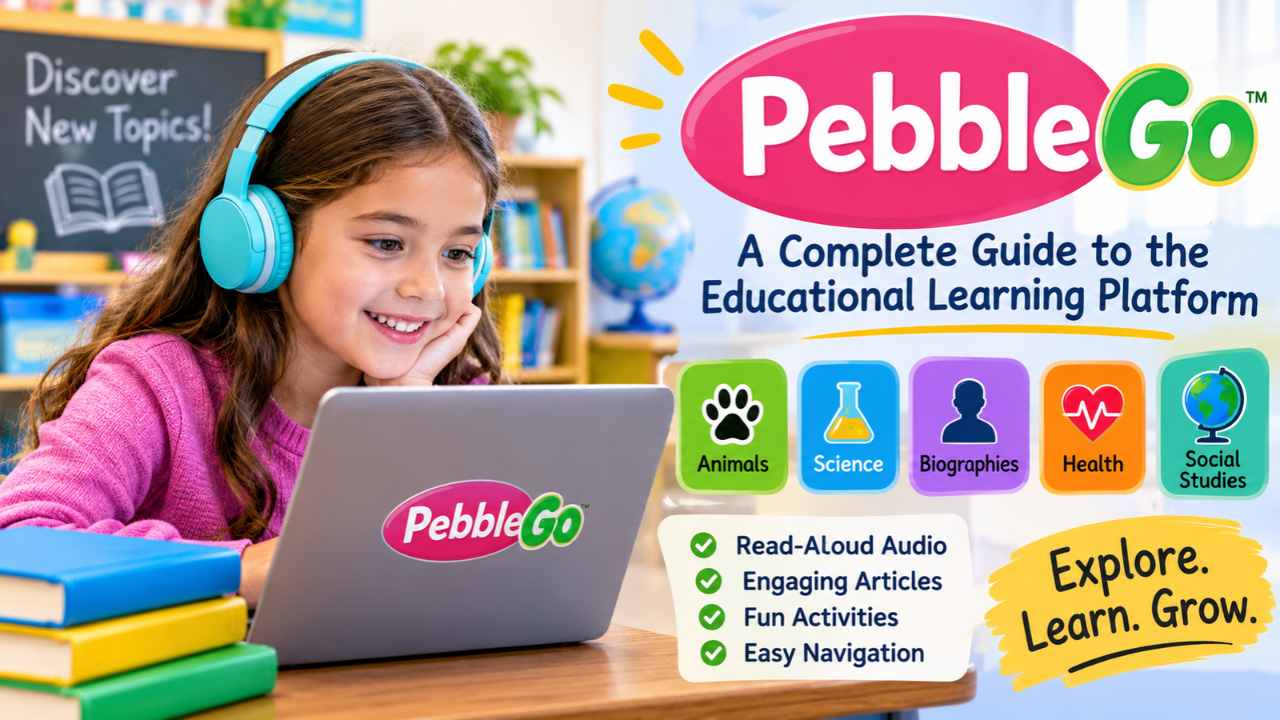
The main PebbleGo subjects include Animals, Science, Biographies, Health, and Social Studies. PebbleGo Next offers additional modules covering subjects such as Indigenous Peoples’ History and U.S. States.
4. Does PebbleGo support Spanish?
Yes. PebbleGo offers Spanish-language content in supported modules. This feature helps Spanish-speaking students explore educational subjects and supports multilingual learning in elementary classrooms.
5. Can students listen to articles on PebbleGo?
Yes. The platform includes read-aloud audio that allows students to listen while following written text. This feature supports pronunciation, vocabulary development, and independent reading practice.
Conclusion
Digital learning works best when children can explore information confidently. PebbleGo offers elementary students a structured way to discover nonfiction topics and develop reading skills. Its audio support, subject articles, and interactive resources make research more approachable. Teachers can also connect its materials with classroom lessons and library activities.
However, schools should consider subscription costs, available modules, and individual learning requirements. No digital platform can replace thoughtful teaching or meaningful reading experiences. When combined with classroom instruction and printed resources, PebbleGo can become a valuable part of elementary education.