



The internet offers countless websites promising useful information, practical advice, and fresh ideas. However, finding a publication that covers different interests can sometimes feel overwhelming. Readers often prefer one convenient destination instead of visiting dozens of separate websites.
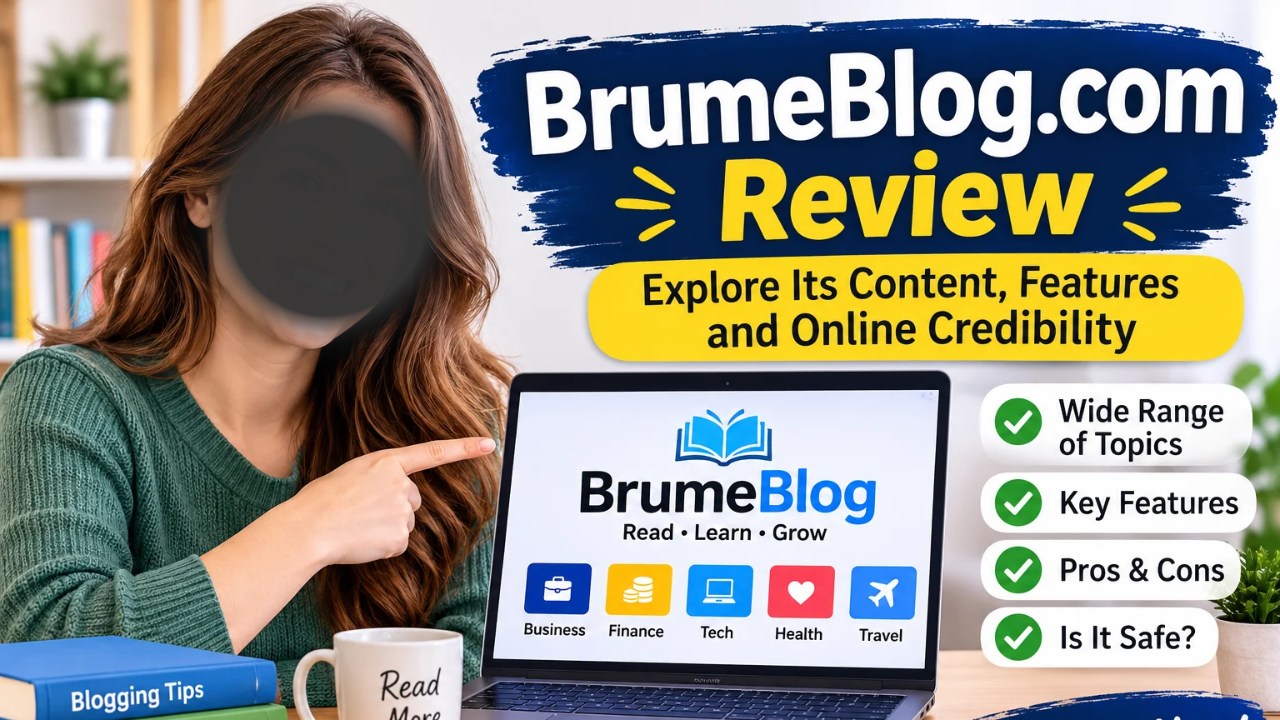
BrumeBlog com is a multi-topic publishing website that brings together articles about business, finance, education, technology, health, lifestyle, and travel. Its broad subject coverage makes it interesting for readers who enjoy exploring different topics. However, content variety alone doesn’t establish editorial quality or reliability.
This detailed review explores the website’s publishing approach, available subjects, reading experience, potential benefits, and limitations. It also examines ownership transparency and explains how American readers can verify information before relying on it.
Table of Contents
Understanding BrumeBlog.com and Its Place in Online Publishing
Modern online publishing includes everything from personal journals to large digital magazines. BrumeBlog com follows a multi-niche publishing model, meaning it covers several subjects rather than concentrating on one industry. Its homepage presents articles from different categories through a familiar blog-style layout. Brume Blog
Unlike specialist publications, general-interest websites attract readers with different backgrounds and interests. Someone researching business opportunities might discover an article about technology or education during the same visit. This arrangement encourages content discovery and makes casual browsing more convenient.
Exploring the Main Topics and Content Categories
A website’s subject range often reveals its publishing priorities. The available categories on BrumeBlog include Business, Education, Finance, Health, Lifestyle, Technology, and Travel. Additional categories include AI, Crypto, Fashion, Home, Law, Pets, Real Estate, Sports, and Trading. Brume Blog
This variety creates opportunities for readers seeking introductory explanations. However, different subjects require different levels of expertise. A basic lifestyle article doesn’t carry the same responsibility as medical guidance or investment analysis.
Business, Marketing, and Entrepreneurship
Business content attracts entrepreneurs, employees, and people exploring new opportunities. Articles about marketing, international operations, product inspection, and business growth can introduce useful concepts. American small-business owners may find introductory explanations helpful when researching unfamiliar commercial practices.
Finance, Cryptocurrency, and Investment Discussions
Financial topics include lending, investment comparisons, and digital currencies. These subjects can help beginners understand unfamiliar terminology. However, investment research requires current figures and dependable evidence. Readers should verify financial claims through the SEC or FINRA before making decisions.
Technology, Artificial Intelligence, and Digital Innovation
Technology changes quickly, making accessible explanations particularly valuable. AI, cybersecurity, software, and digital innovation offer plenty of subjects for curious readers. Nevertheless, technical information should match current developments. Official product documentation often provides more reliable details about software features and security updates.
Education, Health, and Everyday Living
Educational articles can introduce learning methods and unfamiliar concepts. Health and lifestyle content may discuss wellness, daily routines, and personal development. Readers should distinguish general educational material from professional advice, particularly when medical questions involve symptoms, treatments, or medication.
Travel, Property, Law, and Other Interests
Travel guides, real estate discussions, legal explanations, and pet-related articles broaden the publication’s appeal. These subjects attract readers with practical questions about everyday decisions. However, American legal requirements vary between states, so general international explanations cannot replace jurisdiction-specific guidance.
What Recent Articles Reveal About Its Publishing Direction
Recent homepage activity provides a useful snapshot of the website’s editorial interests. Articles displayed in October 2026 discuss international business law, workplace discrimination, child custody disputes, cybercrime legislation, and product inspections. Brume Blog
These subjects suggest an interest in practical explanations rather than entertainment alone. Several articles address international issues that may interest American readers working with overseas businesses. Still, publication dates and subject variety cannot independently establish accuracy, originality, or specialist expertise.
Website Design, Navigation, and Reading Experience
A useful publication needs more than interesting headlines. Visitors should locate information without navigating confusing menus or unnecessary pages. The website uses a recognizable blog structure, with article previews, category labels, publication dates, and links to additional posts.
Its website navigation helps readers move between different subjects. The category structure also makes browsing easier when someone doesn’t have a particular search phrase. However, readers should examine individual articles rather than assuming every category receives equal editorial attention.
The website also appears to use WordPress, a widely adopted content management system. WordPress allows publishers to organize articles, manage categories, and update pages without building every feature manually. A familiar publishing system can support accessibility, although it doesn’t guarantee strong writing or security.
Who Can Benefit From Reading BrumeBlog Articles?
Different readers approach online publications with different expectations. Students may want simple explanations, while entrepreneurs might explore business concepts or international markets. Professionals can also discover unfamiliar subjects without immediately committing to specialist books or lengthy research reports.
For American readers, broad informational articles can provide useful starting points. Someone considering overseas manufacturing, for example, might first learn about quality inspections and supplier relationships. A curious homeowner could explore property-related topics before consulting an experienced real estate professional. The important distinction is between discovering information and making decisions.
Free Access, Publishing Opportunities, and Commercial Interests
Free online reading remains attractive because visitors can explore information without paying subscription fees. Publicly accessible articles on the website appear available without an ordinary reader account. This lowers the entry barrier for people who simply want to browse different subjects.
The homepage also mentions partnerships with publishers. However, that statement doesn’t identify every partner or explain the commercial arrangements. Readers and potential contributors should distinguish sponsored content, guest articles, editorial contributions, and advertising. Clear disclosures help visitors understand whether commercial interests influence particular recommendations.
For businesses considering publishing opportunities, transparency matters even more. Before paying for placement, examine the website’s audience, article quality, backlink policies, and advertising disclosures. A publication’s existence doesn’t automatically prove that its audience matches a company’s customers. Request clear terms before entering any commercial agreement.
Ownership, Editorial Transparency, and Website Credibility
Trust begins with knowing who publishes information and who accepts responsibility for it. The website displays contributor bylines on its articles, including names such as Shivi Hyde. However, publicly available information doesn’t independently establish every contributor’s professional background or specialist qualifications.
Likewise, its publicly visible presentation doesn’t provide enough independently verified information to establish a complete ownership structure or formal editorial review process. This doesn’t prove misconduct. Nevertheless, readers should consider editorial transparency, author experience, and correction policies when evaluating unfamiliar publications.
A trustworthy publication should ideally explain its editorial standards, identify responsible publishers, and provide meaningful author biographies. These details become especially important when articles discuss sensitive subjects. Without them, readers have fewer ways to judge the expertise behind particular claims.
How to Verify Articles Before Trusting Their Information
Online information deserves examination before it influences important decisions. A confident writing style doesn’t guarantee accurate reporting. Readers should inspect publication dates, supporting evidence, author information, and links to original research. Fact-checking becomes especially important when subjects involve personal health, financial security, or legal rights.
Consider this practical verification comparison:
| Subject | Recommended verification source |
|---|---|
| Health and medicine | CDC and MedlinePlus |
| Investments | SEC and FINRA |
| American laws | USA.gov |
| Technology | Official manufacturer documentation |
| Education | Recognized universities and government resources |
Checking Medical and Health Information
Health articles should identify reliable medical evidence and avoid exaggerated promises. Readers can compare important claims with CDC guidance and MedlinePlus resources. A general blog article shouldn’t replace a diagnosis, prescription, or conversation with a qualified healthcare professional.
Verifying Financial and Legal Claims
Financial regulations, investment risks, and consumer protections can change. American readers should consult the SEC, FINRA, and relevant government agencies. Legal questions require additional care because state and federal rules may differ significantly.
Evaluating Technology and Software Information
Technology articles should match current product versions and security guidance. Readers can consult official documentation from software developers and device manufacturers. This simple habit helps prevent outdated instructions from creating unnecessary problems.
BrumeBlog Compared With Specialist Publications
General-interest websites and specialist publications serve different purposes. A broad blog offers convenience because readers can explore several subjects in one location. A specialist publication usually concentrates on a narrower field and may provide deeper technical analysis.
For example, someone researching retirement investments might appreciate a beginner-friendly explanation. However, detailed portfolio decisions require current financial data and professional guidance. Similarly, a travel article can inspire a vacation without replacing official visa requirements. Niche publications often provide stronger subject focus, while general blogs offer broader exploration.
| Comparison factor | General-interest blog | Specialist publication |
|---|---|---|
| Topic coverage | Multiple subjects | Focused subjects |
| Reading experience | Broad and accessible | Often more technical |
| Expertise | Varies by contributor | Often subject-focused |
| Best use | Initial research | Deeper investigation |
| Information verification | Essential | Still essential |
Neither format automatically guarantees accuracy. The quality of individual articles matters more than the number of categories displayed. Readers should choose sources according to their research needs and the importance of the information.
Frequently Asked Questions
What Is BrumeBlog.com Mainly Known For?
It is a multi-topic publishing website featuring articles about business, finance, technology, education, health, lifestyle, and other interests. Its main attraction is subject variety.
Is BrumeBlog.com Free for American Readers?
Its publicly accessible articles appear available without a standard subscription. Readers can explore its content without an advertised paid membership requirement.
Can Visitors Read Articles Without Creating an Account?
Ordinary article browsing doesn’t appear to require registration. Visitors can access public pages and explore available categories directly.
Which Topics and Categories Are Available?
Its categories include business, education, finance, health, lifestyle, technology, and travel. Additional subjects include cryptocurrency, fashion, pets, law, and real estate.
Does BrumeBlog.com Publish Business and Technology Guides?
Yes. Its published material includes business-related explanations, product inspection discussions, cybersecurity topics, and technology-related information.
Conclusion
A broad online publication can make everyday information easier to discover. BrumeBlog offers different subject categories and publicly accessible articles through a familiar publishing structure. Its variety may appeal to casual readers, students, and people exploring unfamiliar interests.
However, content diversity shouldn’t be confused with professional authority. Limited ownership information and unclear editorial oversight make independent verification important. Health, financial, and legal articles deserve particular scrutiny. Ultimately, the website can serve as a starting point for general reading, while established specialist sources should support important decisions.